

Many silver jewelry owners eventually notice the same thing: a favorite ring, chain, or pair of earrings looks slightly dull or grey instead of bright. That change isn’t necessarily a sign of damage. It’s simply how silver behaves as it interacts with air and everyday wear over time.
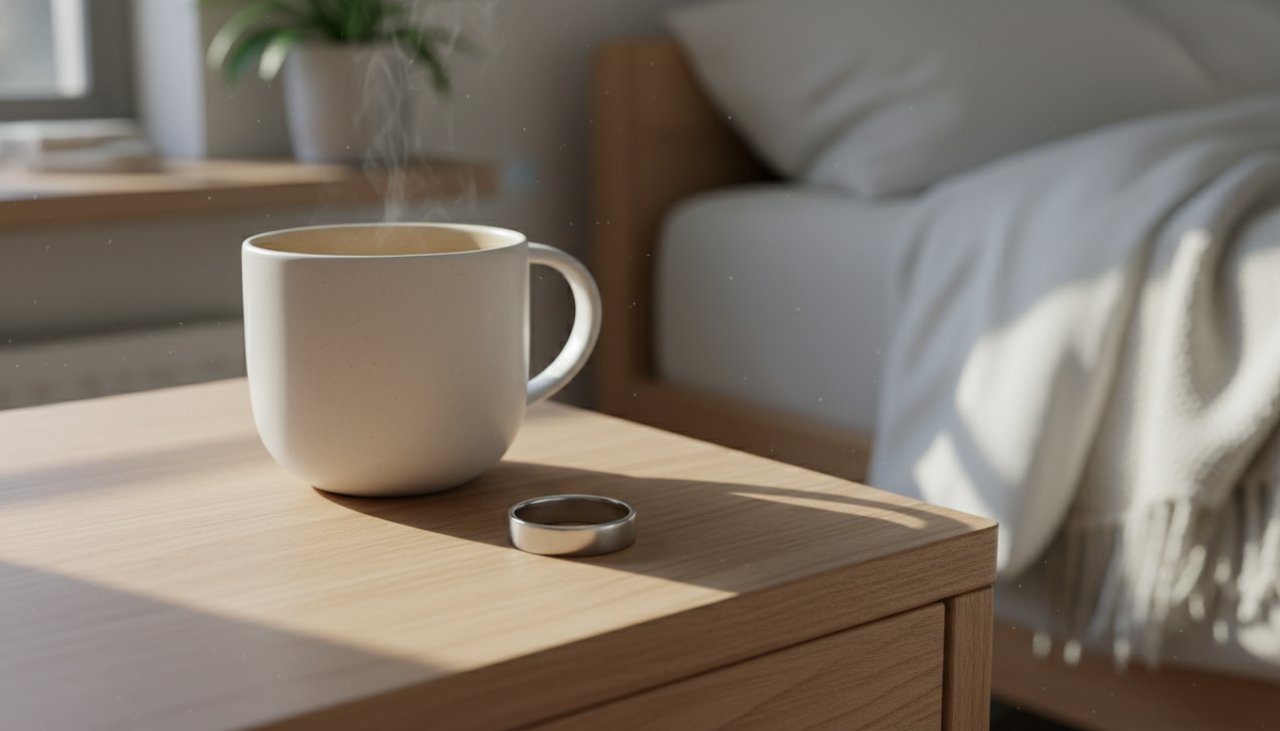
Seeing your silver change color isn’t something to fear — it’s a natural process you can manage with simple care. Knowing how to keep your silver jewelry clean can help your favorite pieces stay part of your routine for longer.
Caring for your jewelry doesn’t have to be a stressful chore. By paying attention to what your pieces are telling you, you can respond with simple care to help restore their appearance.
The Gentle Fade
Silver naturally reacts with trace amounts of sulfur compounds that can be present in the air, in some fabrics, and in various household products. Over time, this reaction can create a thin, dark layer on the surface known as tarnish.
Silver tarnish is a surface change, but a ring can still leave marks or irritate skin depending on its full material, plating, moisture, products, and the individual wearer. If you notice rings green finger marks or irritation, check the stated material and stop wearing the piece if needed.
How quickly tarnish appears can vary quite a bit from person to person and piece to piece, depending on things like storage conditions and individual body chemistry — so don’t be surprised if two similar pieces darken at different rates.
The term patina refers to a stable layer that develops gradually on some silver pieces over time. It often presents as a warm grey tone rather than the uneven dark spots of active tarnish.
Sometimes a change in routine — a new lotion, cosmetic, or other product used near your jewelry — is followed by a change in how a piece looks. If you notice a pattern like that, it may be worth keeping that particular item away from your jewelry going forward.
As a general rule of thumb, an even, gradual change in color is common with regular wear, while sudden dark spots concentrated in one area are more often linked to contact with a specific product. If you notice a new pattern, it can help to think back over what’s changed in your routine.
The Daily Wipe Down
One simple habit some people use for clean jewelry at home is wiping pieces with a soft cloth after wearing them. This does not stop tarnish from forming, but it can remove visible surface residue before storage.
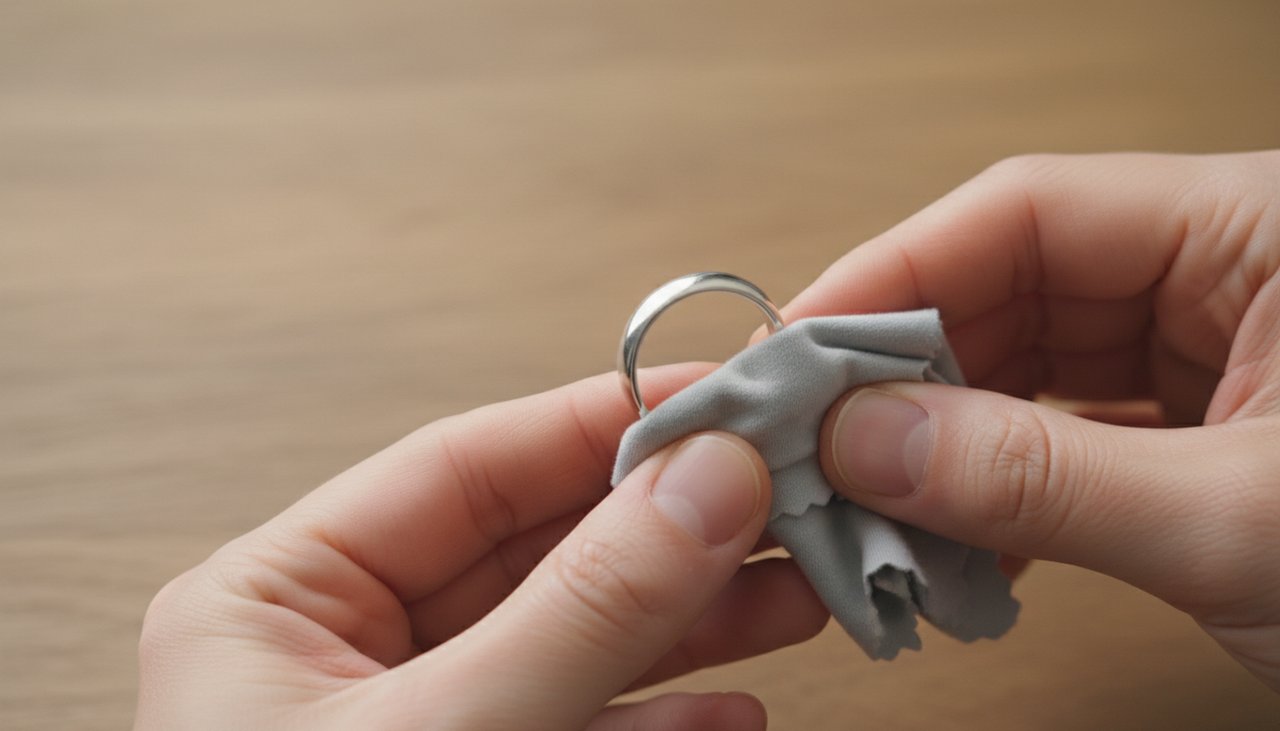
Keeping a dedicated cloth near where you store your jewelry can make this a simple habit. For plating, stones, or an unfamiliar finish, check the maker’s care guidance before using a polishing cloth or product.
When possible, it’s generally a good idea to use a soft cloth made for polishing metal rather than reaching for whatever tissue or paper towel is nearby, since dedicated polishing cloths are designed to be gentle on jewelry finishes.
The Mild Soap Bath
For pieces with intricate detail or sticky residue from lotions, a simple wipe might not be enough. A mild soap bath is a gentle option worth considering for jewelry you know to be plain, solid silver. If you’re unsure of the material, plating, or finish, check with the maker or a jeweler first, since some coatings and treatments don’t respond well to water or soap.
- Fill a small bowl with warm water.
- Add one drop of mild, phosphate-free dish soap.
- Soak the pieces briefly to help loosen grime.
- Gently rub away residue with your fingers, rinse, and pat dry immediately.
You may notice the water take on a faint grey or yellowish tint as residue lifts from the metal. If you notice any change in the finish itself — fading, discoloration, or a shift in texture — stop, let the piece air dry, and check with a jeweler before trying again.
For pieces with stones, plating, or an intentionally oxidized (antiqued) finish, follow the maker’s specific care instructions rather than a general method. If the construction or finish is unclear, ask the maker or a jeweler before choosing a cleaning approach.
The Baking Soda And Foil Method
If a piece has been stored away for a long time and looks heavily tarnished, a polishing cloth alone may not be enough. Some people use a baking soda and foil method at home on plain silver, though results can vary and this approach carries more risk than a simple soap bath.
- Line a heat-proof bowl with aluminum foil, shiny side facing up.
- Place the silver items directly on the foil so they stay in contact with it.
- Sprinkle baking soda over the jewelry.
- Carefully pour hot water into the bowl until the pieces are covered.
This method isn’t appropriate for plated jewelry, pieces with attached stones, or items with an intentional dark oxidized finish, since it can strip plating, dull stones, or remove finishes that were applied on purpose. If you’re unsure what a piece is made of or how it was finished, it’s safer to skip this method and ask a jeweler instead. If you do try it and notice any unexpected change to the metal’s color or surface, stop right away — that’s a sign to get professional advice rather than repeat or intensify the treatment.
Smart Storage
Once your silver is clean, how you store it can make a difference in how it looks over time. Silver generally fares better in a dry environment with limited air exposure. Where and how you keep jewelry when it’s not being worn is part of the bigger picture of care.
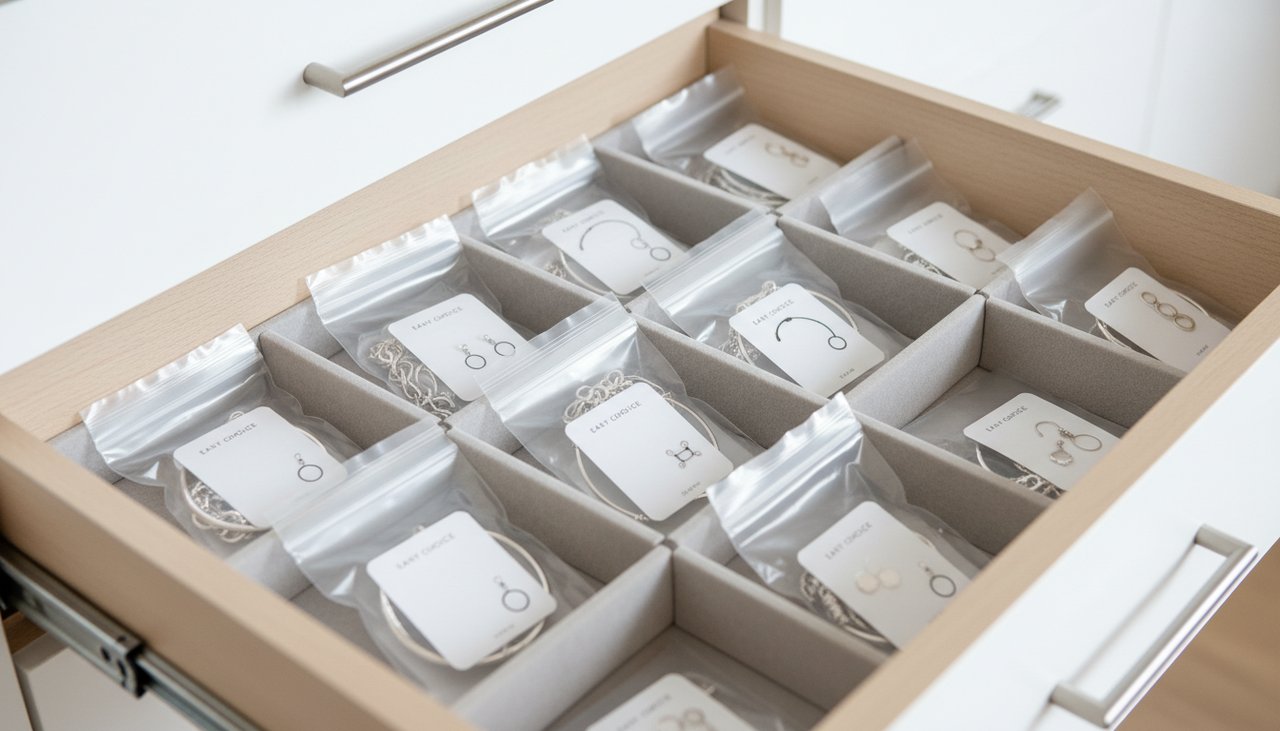
For pieces you wear only occasionally, storing them in an airtight bag can help limit exposure to air and moisture, which are commonly associated with tarnish. It’s a simple step that may help reduce how often a piece needs cleaning.
Some people also add an anti-tarnish strip to the storage bag. These are designed to absorb some of the airborne substances linked to tarnish. Check the product’s own packaging for guidance on how often to replace them.
Beyond that, a few general habits can help:
- After wearing: wipe with a soft polishing cloth before storing, when convenient.
- Periodically: a mild soap bath can help pieces you know to be plain solid silver and wear often — skip this if you’re unsure of the material or finish.
- Every so often: check anti-tarnish strips in storage bags and replace as needed, and take a look at stored pieces before wearing them again.
None of this needs to be complicated. A few simple habits can help you care for silver jewelry, and when a piece looks significantly different or you’re unsure how to handle it, a jeweler is a safer next step. If you are looking to add a new piece to your collection, remember to check the seller’s sizing information when you find ring size.