

Choosing jewelry for someone who doesn’t wear much of it usually means looking past visual style alone. Style still matters, but closure type, material makeup, dimensions, and the recipient’s own past choices tend to matter just as much for whether a piece actually gets worn regularly. A useful approach is to treat the purchase as a series of concrete questions — what materials has this person worn before, what closures have they used, what sizes have fit them, and what occasions do they actually wear jewelry for — rather than relying on a single design trend.
Material Disclosure
Metal composition affects how a piece looks and ages, and it is worth checking in the listing before buying rather than assuming from a photo or product name. Some wearers notice discoloration with certain metal types, sometimes described as rings green finger, which is a reasonable thing to ask about when selecting a piece meant for daily wear. Listings should specify whether a metal is solid throughout or plated over a different base, since that distinction affects long-term appearance. The table below summarizes how common jewelry materials differ in composition and general upkeep:
| Material | Composition | Plating | Notes |
|---|---|---|---|
| Solid 14K gold | Gold alloy throughout | None | Color runs through the full piece rather than sitting on the surface |
| Platinum | Platinum alloy throughout | None | Denser than gold; noticeably heavier at the same size and dimensions |
| Titanium | Titanium throughout | None | Lighter than gold or platinum at comparable dimensions; grade varies by supplier |
| Gold-filled | Base metal core with a bonded gold layer | Thicker bonded layer | Layer thickness varies by manufacturer and may thin with years of contact |
| Gold-plated / Vermeil | Base metal core | Thin gold layer | Plating is thinner than gold-filled and may need reapplication over time |
| Sterling silver | Silver alloy | None | Can tarnish with air and moisture exposure; polishing restores its appearance |
If the recipient has mentioned a specific metal preference or a past reaction to a particular metal, that history is a more reliable guide than any general label on a product page. Reading the full material disclosure, including base metal and plating thickness where listed, is worth doing before purchase rather than relying on marketing terms alone.
Closure and Setting Styles
Closures and settings vary by design, and different styles suit different habits and past preferences. Some common options include:
- Flat-back labret studs, which use a flat disc backing instead of a traditional butterfly clutch.
- Huggie hoops, which use a hinged closure built into the hoop itself rather than a separate wire or latch.
- Ring bands with a rounded interior profile rather than a flat interior band.
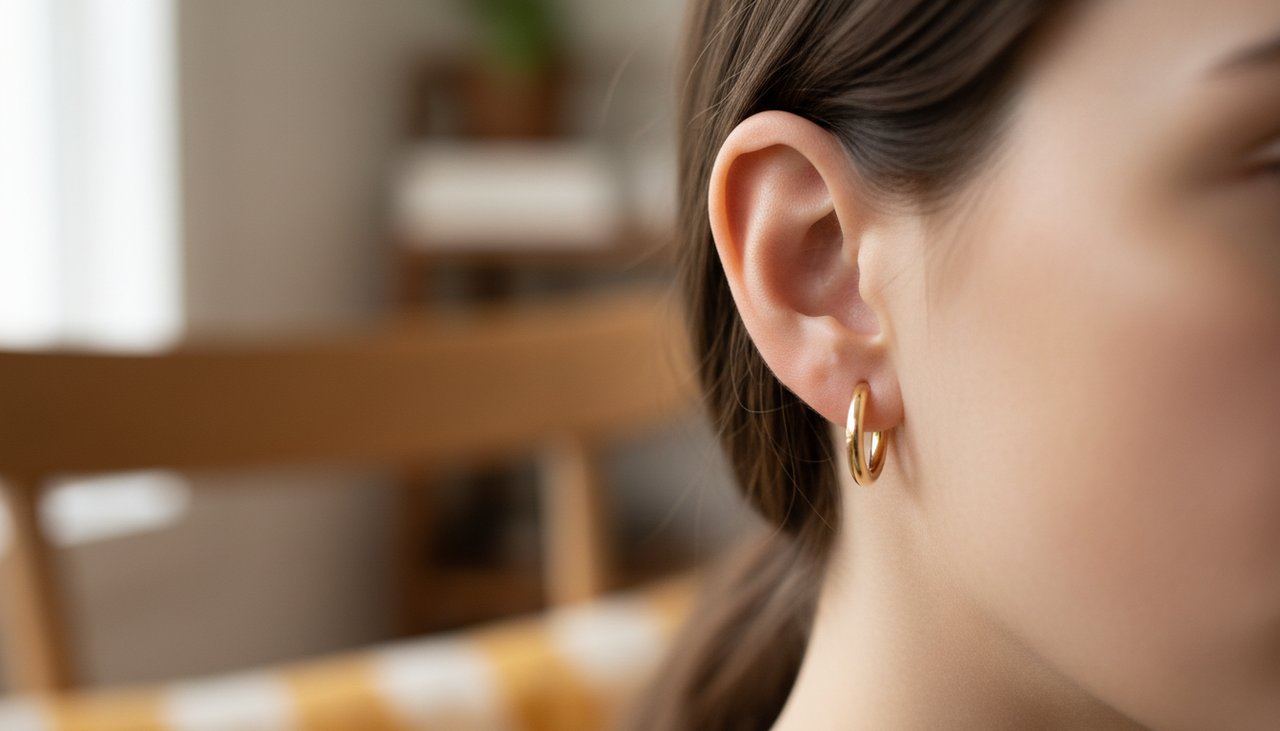
Before you find ring size for a new daily piece, it helps to know which closure and setting style the recipient has chosen in the past, since these preferences are individual and not consistent across every wearer.
Weight and Dimensions
Chains, earrings, and bands are manufactured in a range of thicknesses and weights, and listings typically state these dimensions in millimeters or grams. Thinner chains and lighter earring settings are available for those who have previously chosen less noticeable pieces, while thicker or heavier designs are also widely sold. Comparing the listed dimensions and weight against pieces the recipient already owns and wears regularly can help narrow the choice, since dimension preferences vary by individual rather than following a single standard.
Closure Maintenance
Jewelry closures fall into a few general categories: spring-ring or lobster clasps that open and close by hand, magnetic clasps, and welded or soldered closures that are joined shut rather than opened and closed. Welded bracelets are one example of the last category — a chain is measured to the wrist and the ends are joined with a weld instead of a clasp. This style is also relevant for those who prefer to stack bracelets without managing several separate clasps at once.
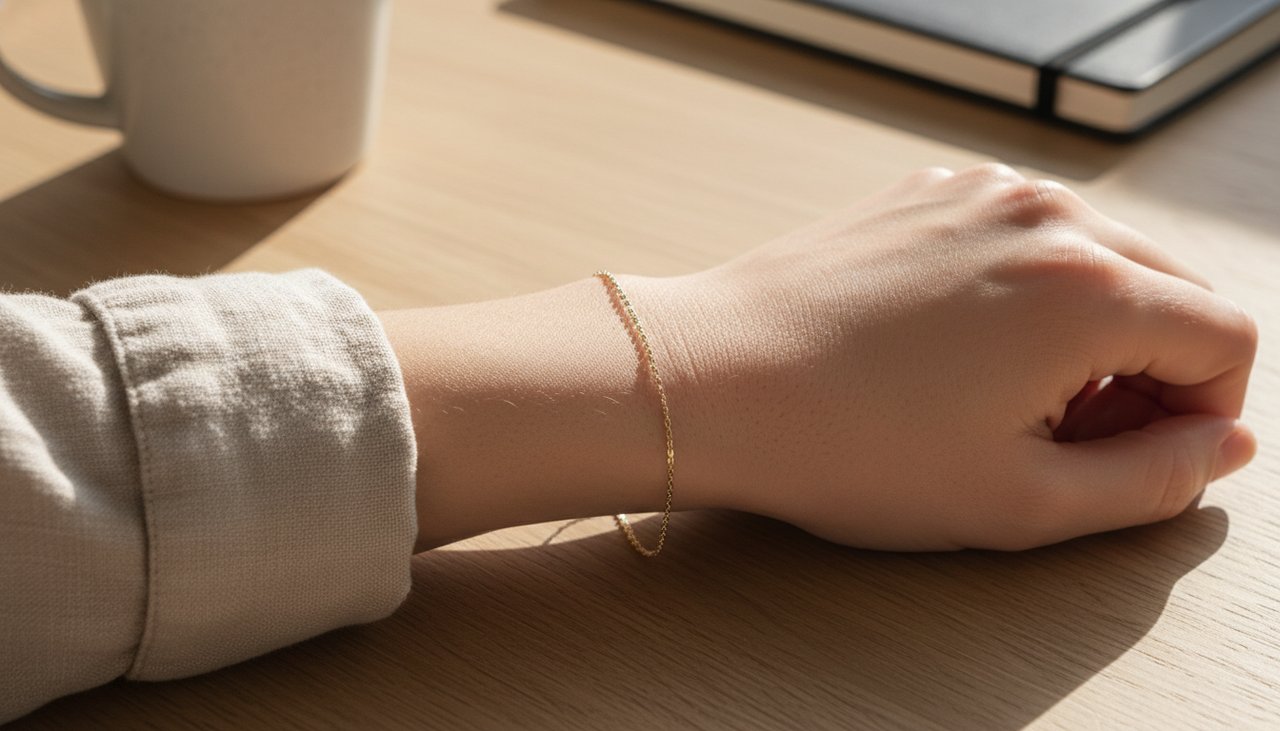
Titanium is one material sometimes used for welded pieces. Removing a welded bracelet typically requires cutting or unsoldering the chain rather than unclasping it, so it is worth checking in advance whether the seller or a local jeweler offers a re-welding or removal service before choosing this style as a gift.
Finish and Adjustability
Surface finish affects how visible everyday scratches are on a piece. High-polish surfaces tend to show scratches more readily than matte or brushed finishes, which are produced through controlled surface texturing during manufacturing and can be re-polished by a jeweler if the finish changes over time. Checking clean jewelry at home guidance can also help with maintaining a piece’s finish between wears, according to general care instructions.
Some necklaces use an adjustable slider mechanism instead of a fixed clasp, allowing the length to be changed by hand without unhooking a spring ring. This is a mechanical feature worth noting on a listing if the recipient has previously wanted length flexibility across different necklines or outfits.
Considering the Recipient
When selecting a gift for someone who doesn’t wear much jewelry, it helps to note what they have actually worn before — metal type, closure style, ring or chain size, and finish — rather than choosing based on general trends or assumptions. If that information isn’t known directly, checking an existing piece they own, or asking someone close to them, can provide more reliable sizing and material details than guessing. Confirming these specifics against the product listing before purchase narrows the choice more reliably than relying on any single feature or category label on its own.