
Morning light catches the edge of my dresser, illuminating two very different pieces of jewelry. A silver ring and a 316L stainless steel cuff represent more than just a style choice. Deciding which to wear is really a decision about the kind of relationship you want with your accessories for the rest of the day.
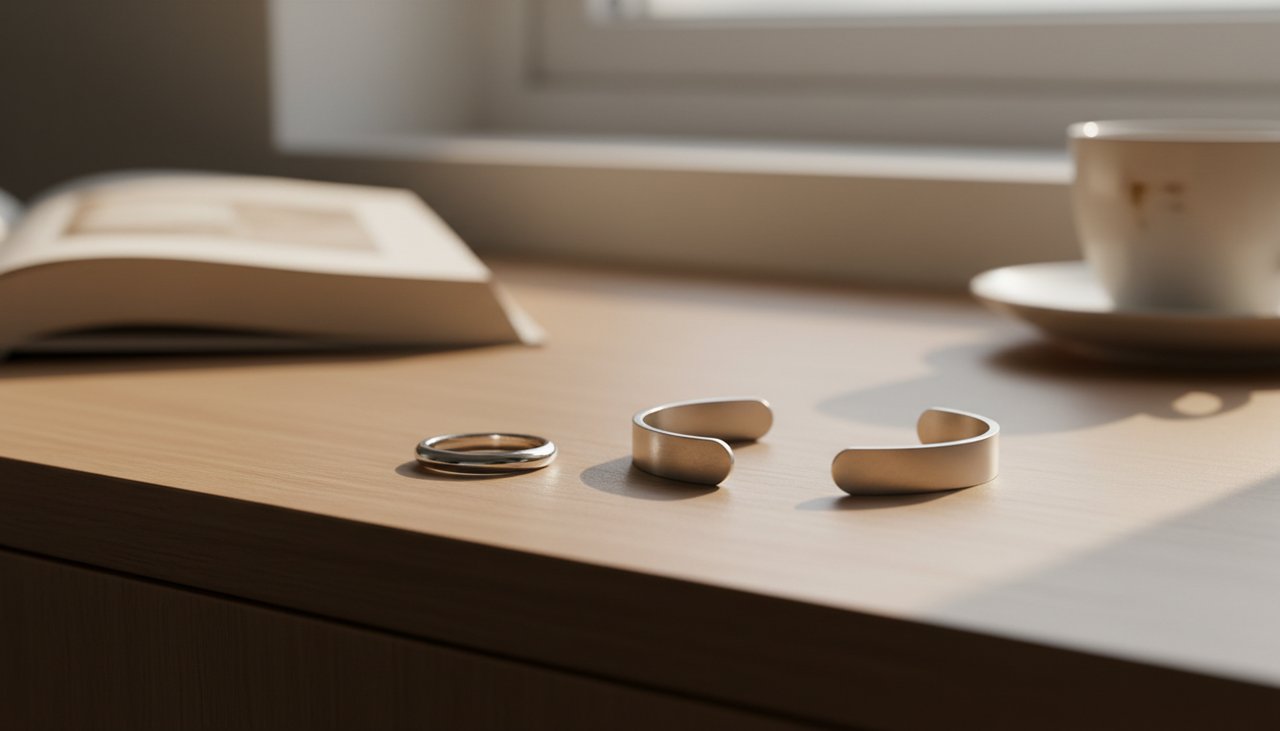
How Light Hits Each Metal
Silver tends to come alive in natural, warm light. The impression varies with the lighting setup, the piece, and the viewer, so it is better treated as a visual preference than a material promise.
The impression can also change under artificial, cool LED lighting. 316L steel may show a sharper, more mirror-like reflection, giving a cleaner, more industrial look that some people may prefer and others may find stark against the skin.
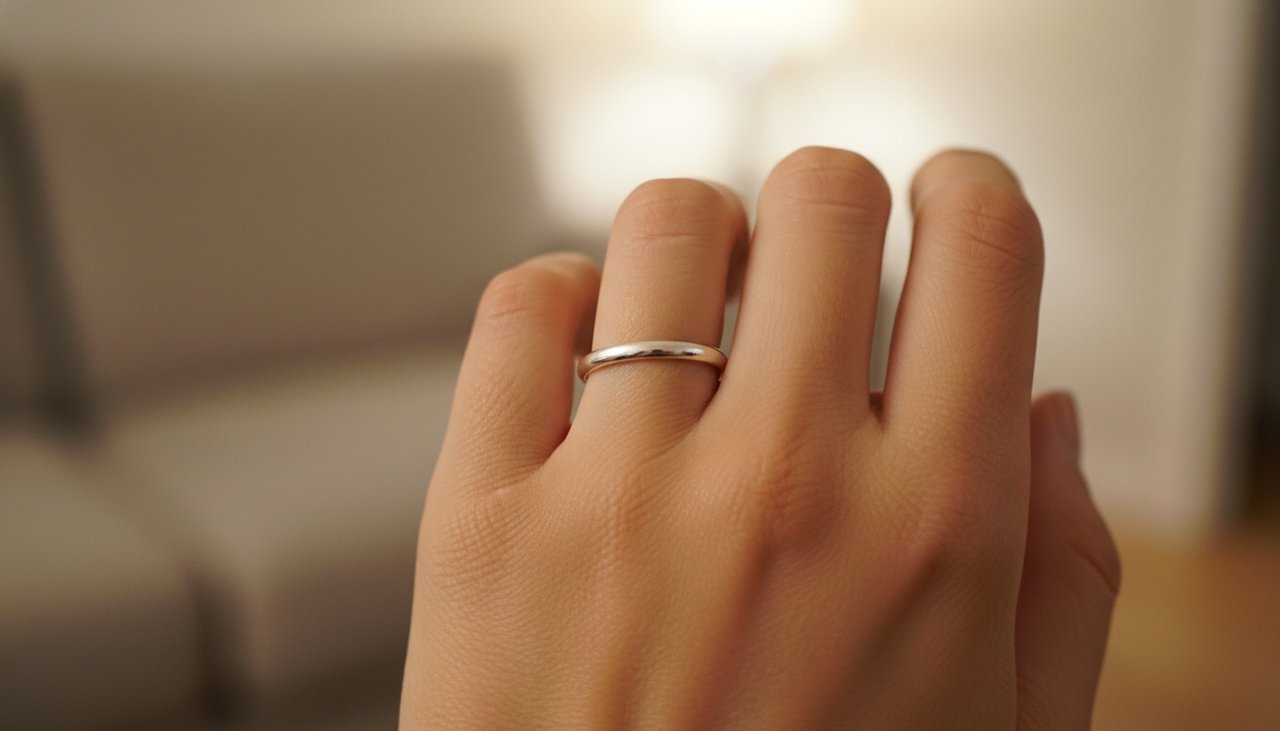
The choice between silver and steel often comes down to a preference between a soft, diffused glow and a sharp, mirror-like finish.
How Each Metal Ages
Silver can change when it comes into contact with sulfur-containing compounds, moisture, sweat, cosmetics, or cleaning products. 316L stainless steel has a different alloy composition and may respond differently, but the result depends on the surface, exposure, and care. Neither material should be treated as immune to wear or surface change. If you need to clean jewelry at home, first check the item’s stated finish and care guidance.
Keeping silver jewelry clean and bright generally requires a regular commitment. Every few weeks, the oxidation typically needs to be manually rubbed away with a polishing cloth. It is slow, deliberate upkeep — the kind that fits some routines and not others.
Steel usually asks for very little by comparison. A quick wipe with a microfiber cloth to remove fingerprints covers most day-to-day care.
Your Skin
To understand how a metal feels on your body, you have to consider three distinct variables:
- Physical weight and density.
- Thermal conductivity, or how fast it transfers heat.
- The specific alloys that might trigger sensitivities in some individuals.
| Property | 925 Sterling Silver | 316L Stainless Steel |
|---|---|---|
| Density | 10.36 g/cm³ | 8.00 g/cm³ |
| Thermal conductivity | Higher relative thermal conductivity | Lower relative thermal conductivity |
| Vickers hardness (relates to scratch resistance) | 60–120 HV | 150–250 HV |
| Tarnish resistance | Low — reacts with sulfur compounds | Higher — Molybdenum content contributes to corrosion resistance |
| Nickel content | None (alloyed with copper) | 10–14% by composition |
Silver is noticeably heavier than steel, with a density of 10.36g/cm³ compared to steel’s 8.00g/cm³. This gives silver a weightier presence on the hand, which some wearers may find appealing and others may not. Its thermal conductivity is also roughly 25 times higher than that of steel.
Silver and steel can feel different when first put on in a cold environment because they transfer heat differently. The initial sensation depends on the piece, the surrounding temperature, and the wearer; it is a temporary tactile impression, not a measure of quality or comfort.
Material labels are not a substitute for an individual allergy assessment. 316L is sometimes described as hypoallergenic, but that term is not a guarantee and the alloy may contain nickel. 925 sterling silver is commonly alloyed with copper, and some people may notice rings green finger marks or irritation depending on the full material and their own skin. If you have a known sensitivity, check the product information and seek professional advice rather than relying on a general label.
A Life Lived
Silver is a relatively soft metal, measuring between 60 and 120 on the Vickers hardness scale. Daily wear can eventually cause a silver ring to find ring size adjustments naturally as it changes shape, sometimes becoming slightly oval to match your finger over time. It tends to record minor bumps and knocks as lasting marks in the metal.
Steel and silver differ in hardness and surface response, but a general comparison cannot predict how a particular finish will scratch or change. Neither metal is scratch-proof, and visible wear depends on the alloy, finish, use, and care. Treat any hardness information as one part of the description rather than a promise of long-term appearance.
What counts as effortless wear is subjective. It might mean the visual character of a metal that ages and changes, or the practical ease of a piece that needs comparatively little maintenance.
Some people prefer steel when they want a different surface appearance or alloy profile; others prefer silver and accept that its surface may need occasional care. A pool, shower, gym, or cosmetic routine can expose either material to substances that may affect its finish, so removing jewelry and following the maker’s guidance is the cautious choice.
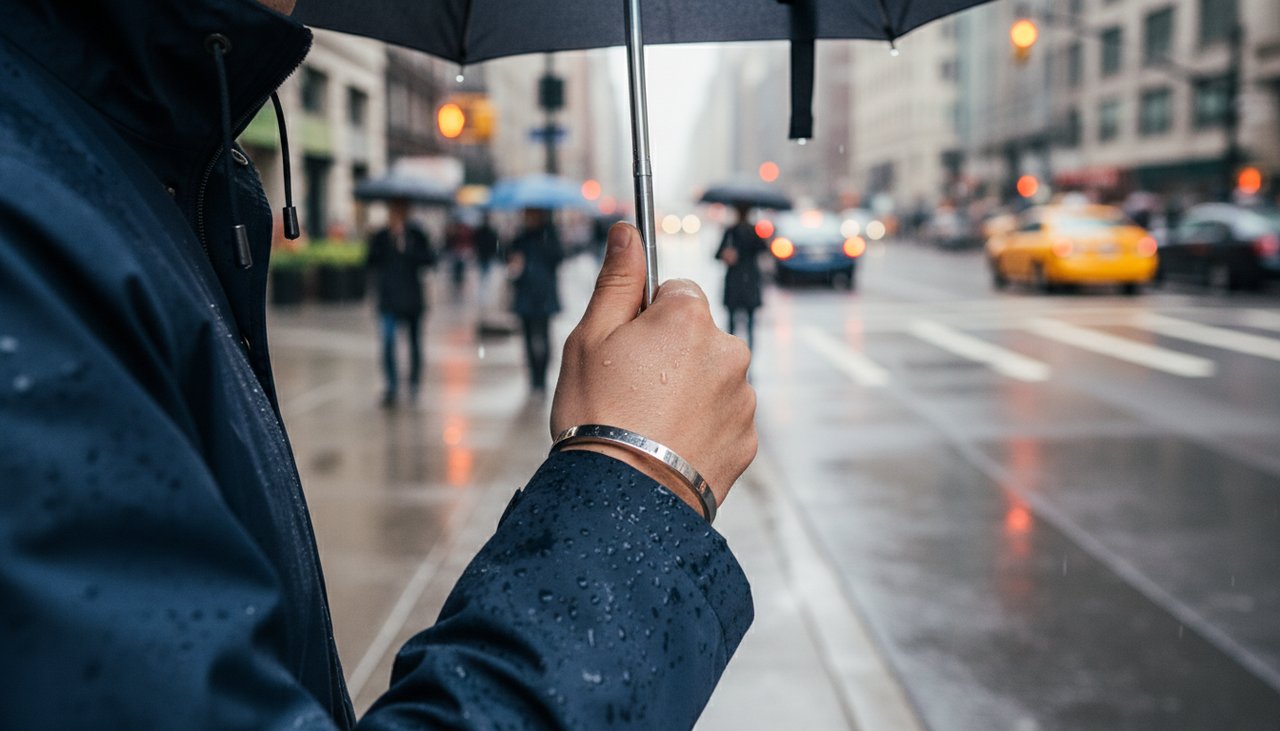
On a day with a workout before the office and rain in the forecast, the steel cuff might make more sense. On a quieter weekend, the silver ring might be the better fit. The decision often comes down to what each metal tends to cost you in time and attention, and that can differ from person to person.