

Running late, you pull open the jewelry drawer. The necklace you want is knotted around everything else. This kind of tangling is common, and it usually comes down to one thing: pieces sharing space with nothing separating them.
Giving each item its own small space is a simple way to cut down on tangling and everyday wear from pieces rubbing against each other. None of this is a strict science — it’s a set of practical habits that tend to help, and you can adjust them to fit what you actually own.
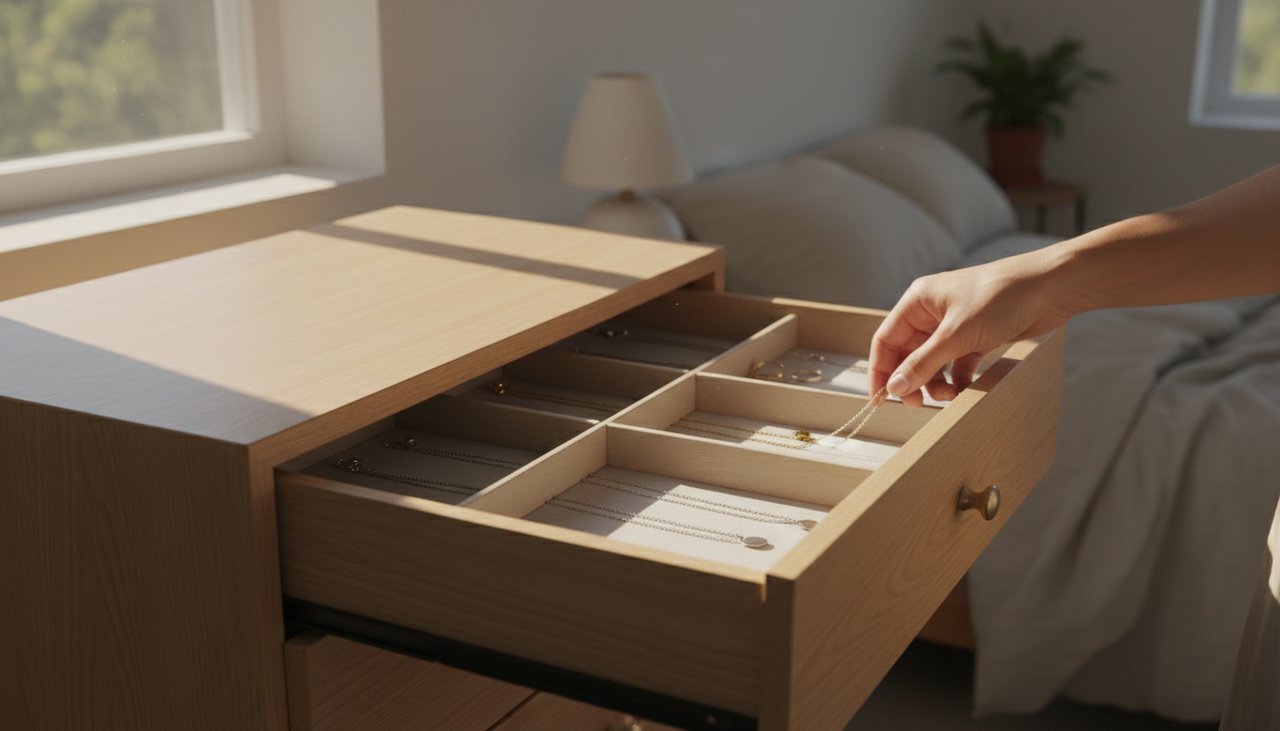
Give Each Chain Its Own Space
A reliable way to reduce tangling is to make sure chains don’t touch each other while they’re stored. Separating pieces cuts down on the friction and knotting that happens with the small movements of opening a drawer or moving a box around. Many people like to stack bracelets for a daily look, but storing loose chains together in the same compartment is a common reason they end up knotted. A plain plastic straw is a low-cost way to keep a finer necklace untangled.
Thread one end of the chain through the straw until it comes out the other side, then fasten the clasp so the chain stays put. If you’d rather store things flat, small resealable bags work reasonably well too — lay the chain out straight with the clasp near the opening before sealing it, so the chain has less room to shift around.
This same idea matters more when traveling. Tossing several loose pieces into one compartment of a travel case gives them plenty of chances to knot together as the case moves. Keeping each piece in its own pouch or sleeve before packing tends to help.
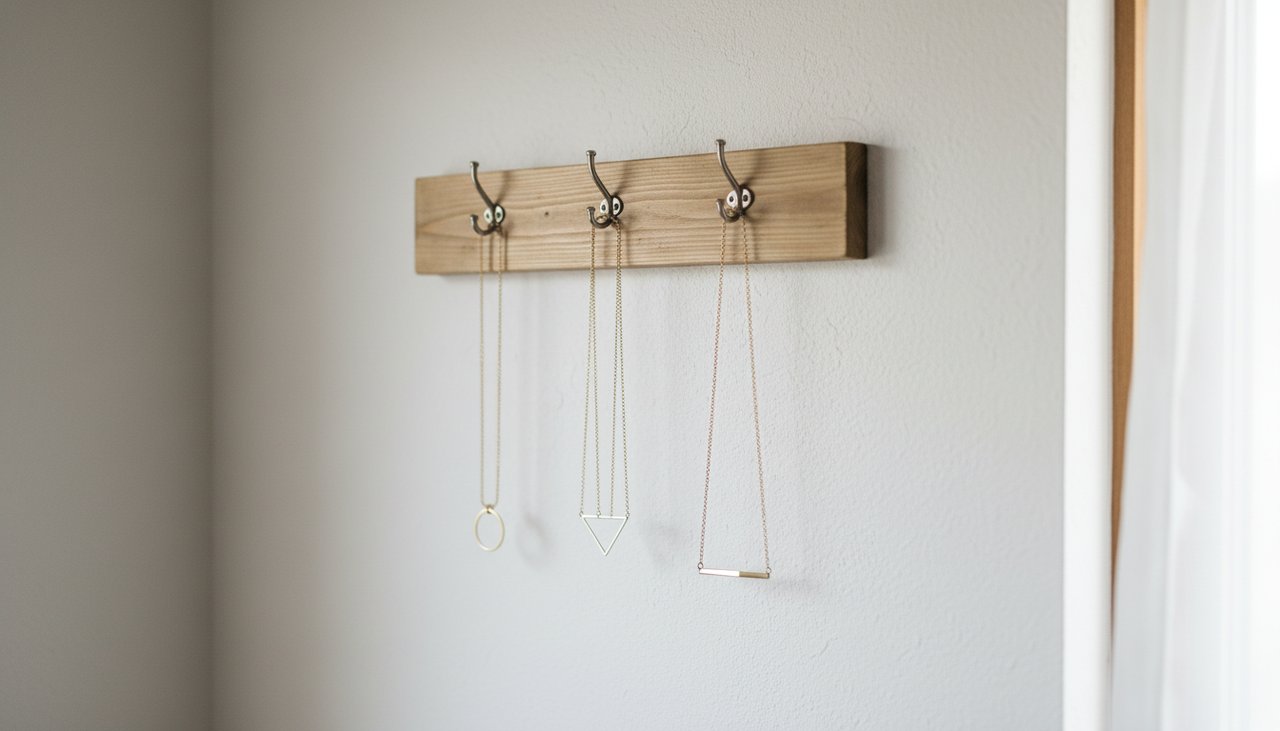
Consider Hanging Storage
Hanging jewelry vertically lets gravity help keep chains straight instead of coiled up, which can make it a little less likely for links to fold over each other or drift into neighboring pieces. A wall-mounted hook rack or an over-door organizer can work well if there’s enough space between each hook.
Leaving some clearance between hanging items is a reasonable habit — a cabinet or closet door opening can cause pieces to swing slightly, and a bit of extra room reduces the chance they’ll bump into one another. There isn’t a single “correct” distance that applies to every chain or every storage setup, so use your judgment based on the length and weight of what you’re hanging.
Some chain styles, like tightly interlocking snake chains, can be more prone to kinking than open-link chains, so giving them a little extra breathing room compared to sturdier styles is a sensible precaution. If you’re unsure how a particular chain should be stored or handled, the maker or a local jeweler will know more about that specific piece than any general rule can.
Think About Air and Moisture
Beyond physical separation, the environment around your metal jewelry can affect how it looks over time. Tarnish is generally understood to be a reaction between certain metals and things like sulfur compounds or moisture in the air, though how quickly it happens varies a lot depending on the metal, the local climate, and what else is nearby. Following basic silver jewelry cleaning habits and keeping pieces away from excess humidity is a reasonable, low-effort way to help.
Some people use sealed bags or containers along with anti-tarnish products, such as strips or tabs marketed for this purpose. These products are sold as a way to reduce airborne exposure, but claims about exactly how well they work, how long they last, or how they interact with specific metals and finishes vary by brand and aren’t something we can verify. If you choose to use one, follow the manufacturer’s instructions for use and placement rather than assuming a fixed timeline.
None of this eliminates the need for occasional cleaning or a check-in with a jeweler if a piece looks like it’s changing in ways you don’t expect — a general storage habit isn’t a substitute for material-specific advice.
Be Thoughtful About What’s Nearby
Some storage containers and materials are more often mentioned as potential problems than others. Certain rubber materials, some cardboard adhesives, and untreated wood are sometimes cited as sources of compounds that could affect metal over long periods, though the actual effect depends heavily on the specific materials involved, ventilation, and how long items sit in contact with them. We’re not in a position to confirm exact chemical claims about any particular product.
- Rubber bands or rubber-lined trays — sometimes flagged as a possible concern for certain metals, though this varies by material.
- Plain cardboard boxes — some adhesives and papers used in cardboard are occasionally mentioned as a factor, but not all cardboard is the same.
- Untreated or unfinished wood — raw wood can carry natural acids that some people prefer to avoid for long-term jewelry storage, though a sealed or lined box may reduce this concern.
What’s around your jewelry in storage can matter as much as the container itself, though the specifics depend on the materials involved.
If you’re storing something valuable or unusual for a long stretch of time, it’s worth asking the jeweler or maker what storage materials they’d recommend for that specific piece, rather than relying on general assumptions.
Pearls and Opals May Need a Different Approach
Pearls, opals, and other organic or porous materials are often described as behaving differently from solid metal or faceted stones, partly because of the way moisture interacts with their structure. Because of this, some jewelers suggest avoiding extremes in either direction — neither fully sealed, moisture-free environments nor damp conditions — though the right approach can depend on the specific piece.
Some care guides caution against fully sealed or vacuum-style storage for these materials, and against placing desiccants like silica gel directly alongside them, on the reasoning that removing too much ambient moisture could affect their appearance over time. We can’t verify the details of this mechanism, so treat it as a general caution rather than a firm rule — a breathable pouch is a common, low-risk choice if you’re unsure.
Because these materials can behave differently piece to piece, it’s worth checking with the jeweler or maker if you have a specific pearl or opal piece you’re not sure how to store or care for long-term.
Prepare Pieces Before Putting Them Away
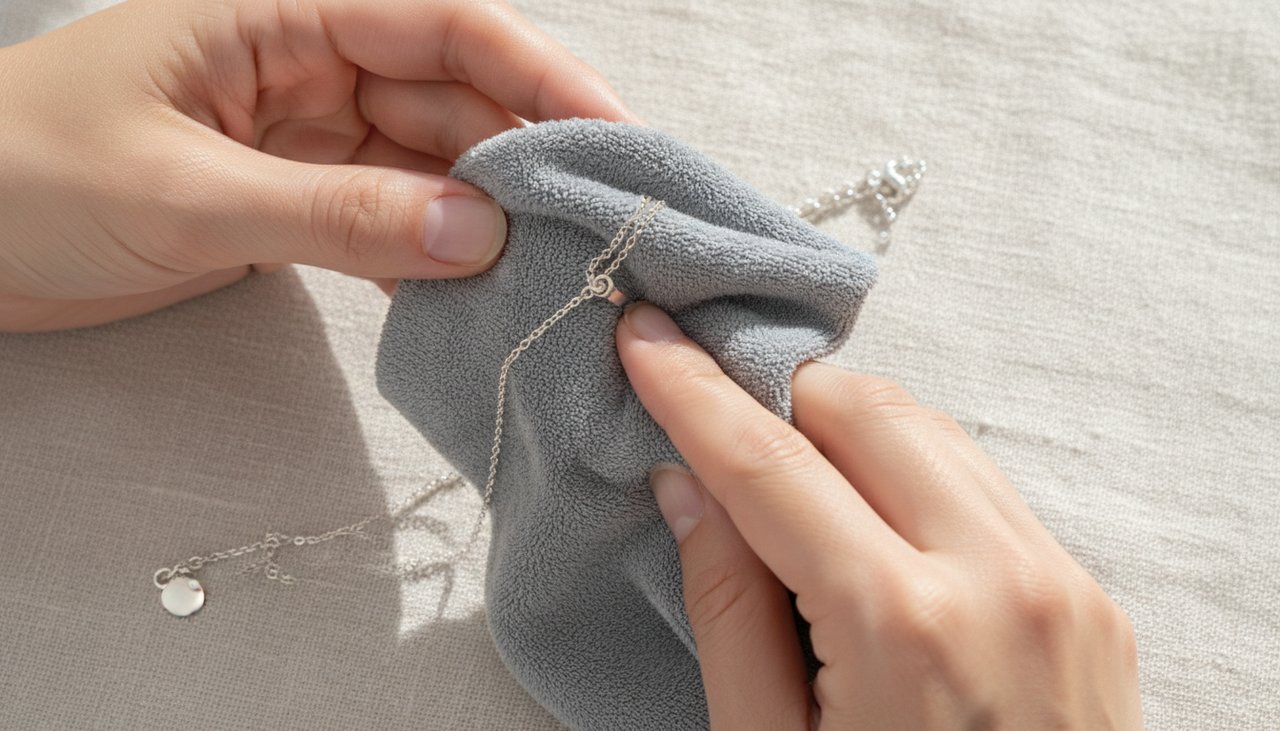
One useful habit is dealing with a piece before it goes back into storage rather than after. Learning how to clean jewelry at home for routine upkeep can help remove everyday buildup like skin oils, dust, and general residue before a piece sits untouched for a while.
A gentle approach is to wipe the item with a slightly damp, soft cloth to lift away surface debris, then let it air dry fully on a flat surface before putting it away. Sealing away anything that’s still damp is generally worth avoiding, since trapped moisture in a closed container isn’t ideal for most materials.
The type of cloth matters somewhat. A soft microfiber cloth is generally gentle and good at picking up light dirt and oils. A chamois or polishing cloth is a different tool, meant more for buffing than for basic day-to-day cleaning — and for anything with delicate plating, stones, or an unfamiliar finish, it’s worth checking with the jeweler or maker before using any cloth or product regularly, since not every method suits every material.
Tonight, pick one necklace you wear often and give it a little dedicated space of its own, separated from the rest. A bit of organization can make it easier to find the right piece when you’re pulling together jewelry for a black outfit on a busy morning.